Dans le monde entre l’Antiquité tardive et la période médiévale, la ligne entre religion et magie était floue au mieux. Les chrétiens byzantins portaient des croix — mais ils portaient aussi des tablettes de plomb gravées de symboles mystérieux, croyant que ces objets pouvaient conjurer la maladie, les démons et le redouté mauvais œil.
Le Pouvoir du Plomb
Pourquoi le plomb ? Aux yeux modernes, cela semble un choix étrange pour un bijou. Mais dans la pensée magique ancienne, le plomb détenait des propriétés spéciales. Son poids et sa couleur terne l’associaient à Saturne et au monde souterrain. Plus pratiquement, le plomb était utilisé dans les defixiones — tablettes de malédiction enterrées pour lier des ennemis ou des rivaux. Une amulette faite de plomb portait ce pouvoir de liaison, mais tourné vers la protection : il pouvait lier le mal loin du porteur.
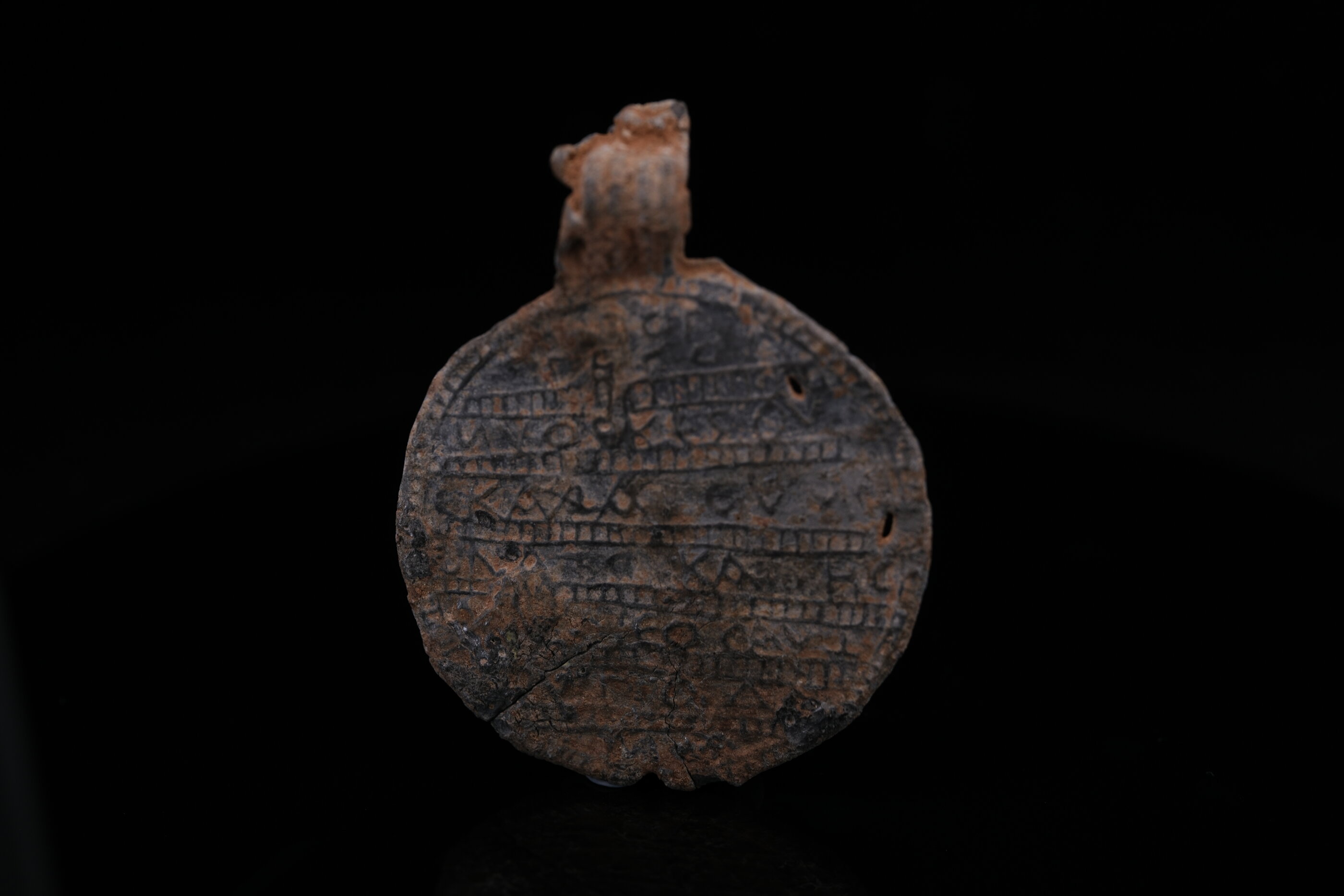
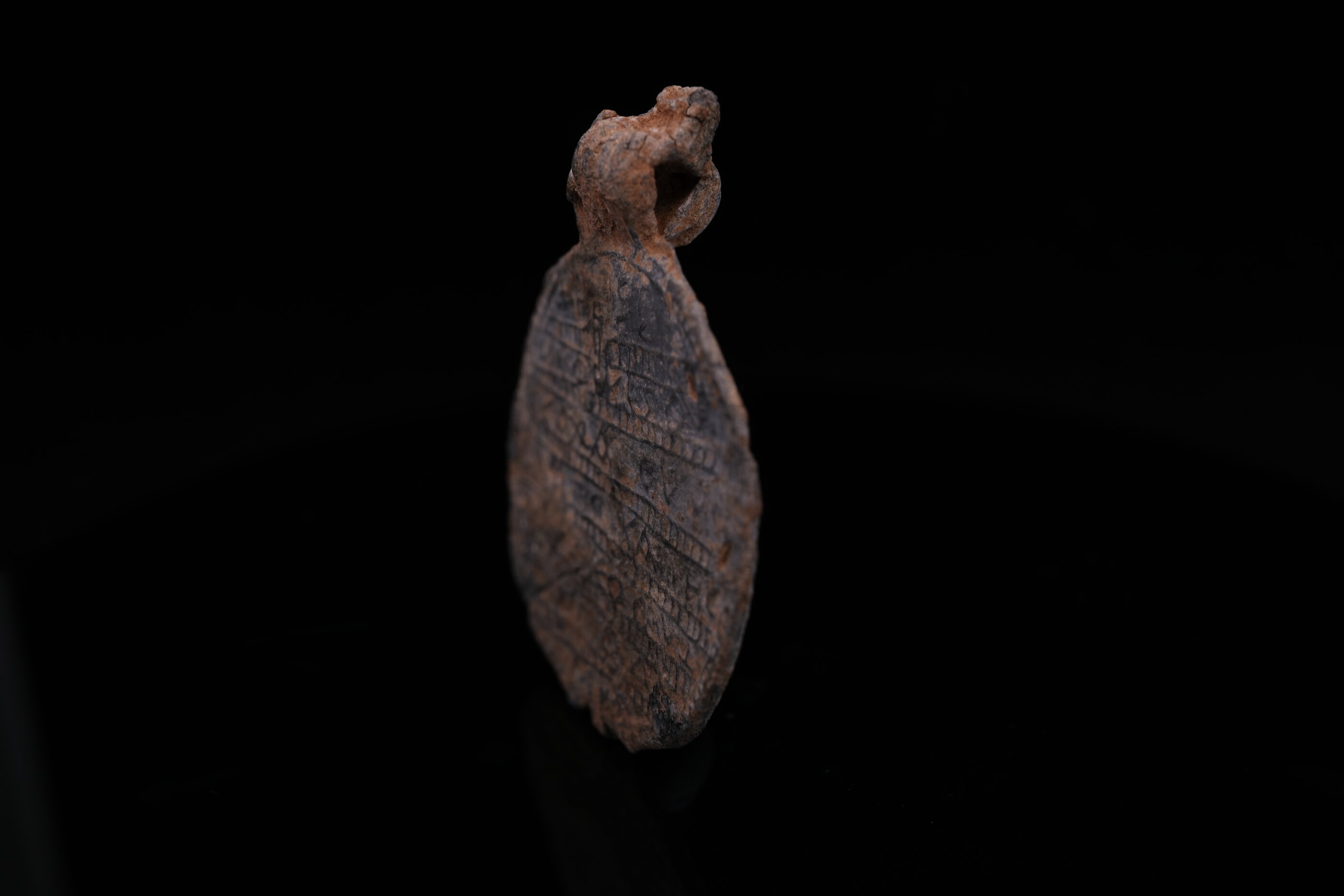
Charaktêres : Le Langage de la Magie
Les inscriptions sur les amulettes byzantines ressemblent souvent à de l’écriture mais résistent à une lecture facile. Les érudits appellent ces marques charaktêres — caractères magiques qui n’étaient pas destinés à être “lus” au sens conventionnel. Ils pourraient inclure :
Séquences de voyelles grecques — Des chaînes comme ΑΕΗΙΟΥΩ apparaissent fréquemment. Les sept voyelles grecques étaient associées aux sept planètes et détenaient une signification cosmique. Leur répétition invoquait une protection céleste.
Voces magicae — Des “mots magiques” qui sonnent comme du non-sens mais portaient du pouvoir par leur étrangeté même. Des noms comme ABLANATHANALBA (un palindrome) ou IAO (une forme du nom divin) apparaissent à travers les traditions magiques méditerranéennes.
Pseudo-écriture — Des marques qui ressemblent à des lettres mais ne le sont pas tout à fait. Celles-ci peuvent avoir été copiées par des artisans qui ne pouvaient pas lire les originaux, ou elles peuvent avoir été délibérément obscures — moins compréhensibles, plus puissantes.
Serpents et Protection
Le revers de nombreuses amulettes montre des serpents entrelacés ou une imagerie protectrice similaire. Les serpents étaient des symboles profondément ambivalents : dangereux, mais aussi guérisseurs (pensez au Bâton d’Asclépios). Sur les amulettes, ils représentaient typiquement la protection, leurs formes enroulées créant une barrière contre le mal.
D’autres motifs courants incluaient :
- Le Chnoubis — Un serpent à tête de lion avec rayons solaires, emprunté à la tradition égyptienne
- Salomon chevauchant — Le roi biblique, légendaire pour commander aux démons, montré à cheval piétinant le mal
- Le Saint Cavalier — Un saint (souvent anonyme) transperçant un démon ou le mauvais œil lui-même
Entre Foi et Peur
Ces amulettes révèlent un monde où le christianisme officiel coexistait avec des pratiques magiques plus anciennes. Les autorités ecclésiastiques condamnaient périodiquement de tels objets — le Concile de Laodicée (IVe siècle) interdisait au clergé de faire des “phylactères” — mais les prohibitions elles-mêmes prouvent à quel point la pratique était répandue.
Pour les gens ordinaires confrontés à la maladie, l’accouchement, les voyages, ou simplement les anxiétés de la vie quotidienne, une tablette de plomb gravée offrait une protection tangible. On pouvait la tenir, la porter, sentir son poids contre sa poitrine. Dans un monde sans antibiotiques ni assurance, cela comptait.
Les amulettes qui survivent sont de petits témoins de peurs très humaines — et des façons créatives et syncrétiques dont les gens essayaient de les aborder.