Le classement des pièces est en partie science, en partie art. Comprendre l’échelle standard vous aide à évaluer les pièces avec précision — et à éviter de payer trop cher pour des pièces qui ne correspondent pas à leur description.
L’Échelle de Sheldon
Le classement moderne des pièces utilise l’échelle de Sheldon, un système numérique de 1 à 70. Pour les pièces anciennes, nous utilisons généralement les grades adjectivaux qui correspondent aux plages de cette échelle :
| Grade | Plage Sheldon | Signification |
|---|---|---|
| Médiocre (M) | 1 | À peine identifiable |
| Passable (P) | 2 | Largement usée, lisse |
| Assez Bien (AB) | 3 | Fortement usée, contour visible |
| Bien (B) | 4-6 | Design principal visible, plat |
| Très Bien (TB) | 8-10 | Design clair, usure majeure |
| Beau (Be) | 12-15 | Usure modérée, détails émergeant |
| Très Beau (TB+) | 20-35 | Légère usure sur les hauts reliefs |
| Superbe (SUP) | 40-45 | Légère usure, la plupart des détails nets |
| Près de Neuf (PN) | 50-58 | Trace d’usure seulement |
| Fleur de Coin (FC) | 60-70 | Pas d’usure (non circulée) |
Référence rapide : La plupart des pièces anciennes collectables se situent dans la plage TB à SUP. Tout ce qui est en dessous de TB peut être difficile à attribuer ; tout ce qui est au-dessus de SUP commande des primes significatives.
Ce qu’il Faut Rechercher
Hauts Reliefs
Chaque design de pièce a des “hauts reliefs” — des zones qui dépassent et s’usent en premier. Sur les portraits, cela signifie généralement :
- Cheveux au-dessus du front
- Pommettes et nez
- Détails de l’oreille
- Éléments de couronne ou de guirlande
Sur les revers, regardez :
- Genoux et bras étendus des figures debout
- Plumes d’aigle sur la poitrine et les pointes d’ailes
- Détails architecturaux
- Lettres de la légende
Grade par Grade
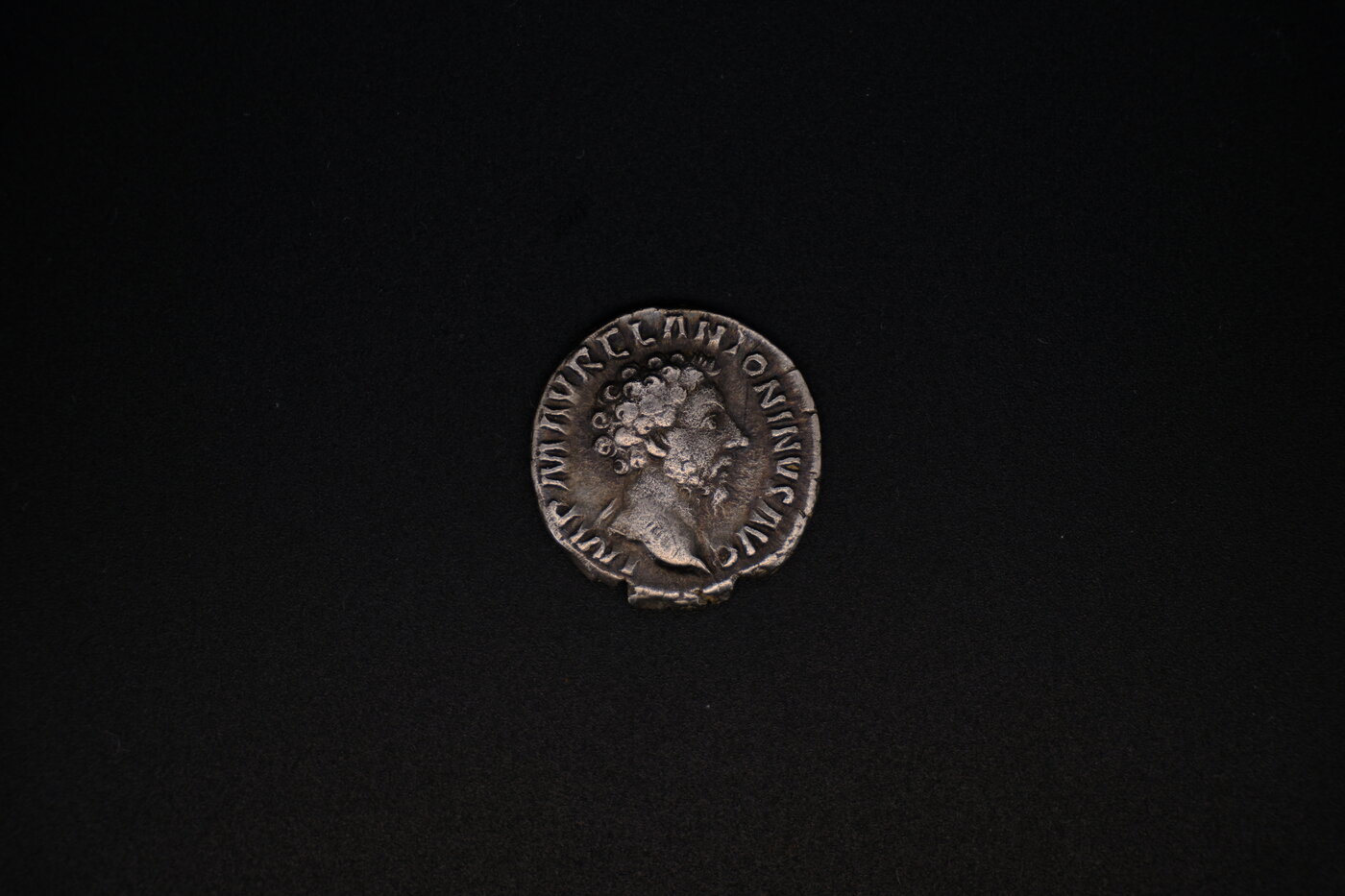
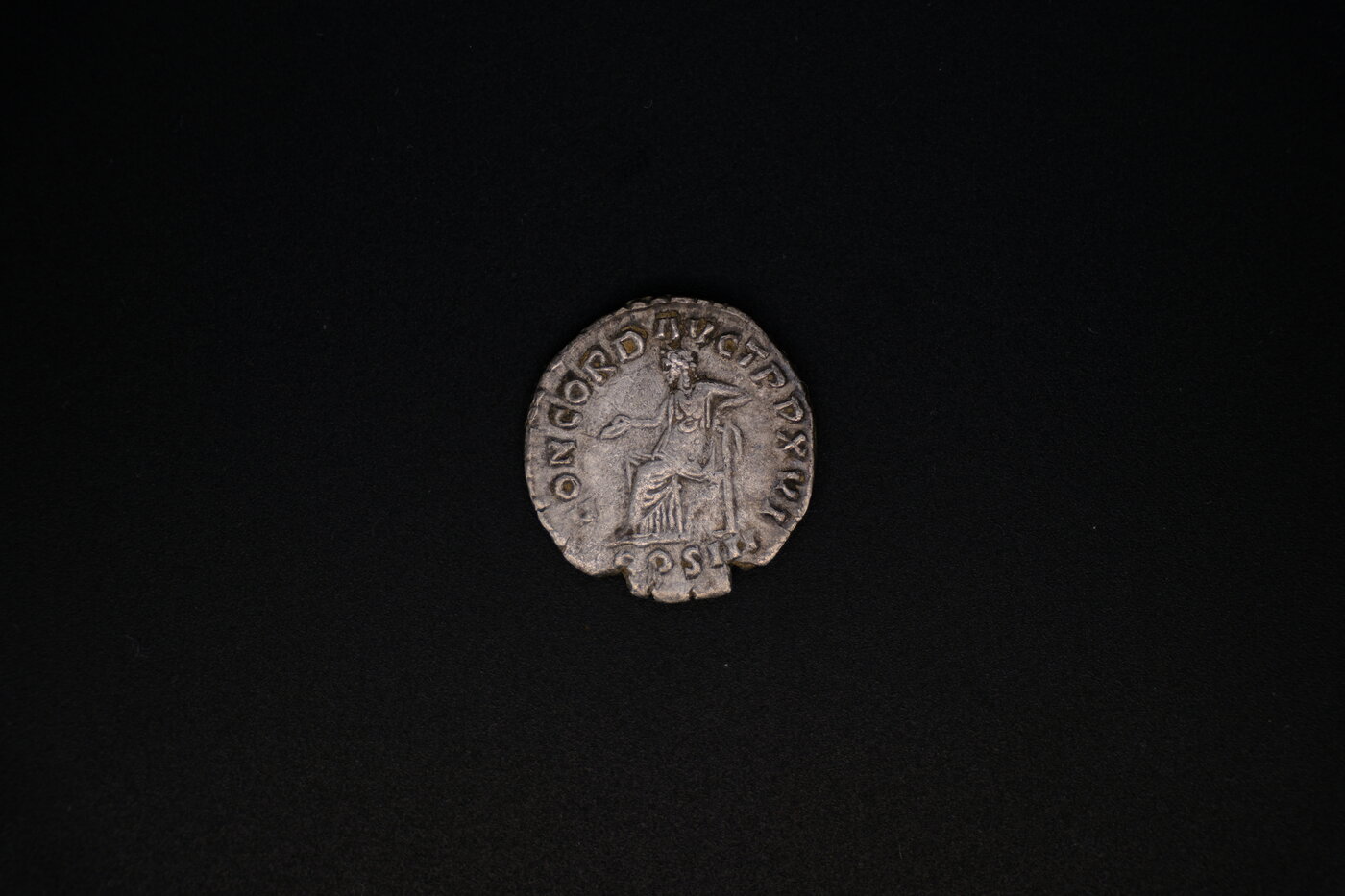
La Pièce TB
Une pièce Très Bien montre un design clair et complet mais avec une platitude significative. Sur un denier romain :
- Portrait identifiable, mais mèches de cheveux fusionnées
- Légende complète et lisible
- Figures du revers visibles mais manquant de détails fins
- Surfaces pouvant montrer des rayures ou de la porosité
TB représente le “grade honnête du collectionneur” — abordable, attribuable et historiquement intéressante sans prétendre être plus qu’elle n’est.
La Pièce Beau
Beau marque la transition où le détail commence à émerger. Vous verrez :
- Certaines mèches de cheveux se séparant
- Traits du visage gagnant en définition
- Figures du revers montrant les plis des vêtements
- Aspect général plus net
La Pièce TB+
Très Beau est où les pièces anciennes commencent à devenir passionnantes. Attendez-vous à :
- Détail capillaire clair, bien que les hauts reliefs montrent de l’usure
- Légendes nettes avec pleines empattements
- Détails du revers largement complets
- Caractère de surface original visible
La plupart des pièces anciennes de qualité musée se situent dans la plage TB+-SUP.
La Pièce SUP
Les pièces Superbe ne montrent que légère usure sur les points les plus hauts :
- Détail capillaire presque complet
- Traits du visage nets
- Légendes parfaitement frappées
- Revers presque tel que frappé
En SUP, vous voyez la pièce presque comme son propriétaire original l’a vue.
La Pièce PN
Près de Neuf est rare pour les pièces anciennes. Ces pièces montrent :
- Trace d’usure seulement, parfois juste de la friction
- Plein brillant de frappe (si le métal le préserve)
- Détail de frappe complet
- Marques de contact minimales
Les vraies pièces anciennes PN sont rares et commandent des primes significatives.
Classement Ancien vs. Moderne
Les pièces anciennes présentent des défis uniques que les pièces modernes n’ont pas :
| Facteur | Défi |
|---|---|
| Qualité du frappe | Une pièce mal frappée peut sembler usée mais n’a jamais eu de détail à perdre |
| Conditions de surface | Porosité, nettoyage, retouche affectent l’apparence séparément de l’usure |
| Centrage | Les frappes désaxées coupent les légendes — défaut de production, pas d’usure |
| Variation des coins | Même empereur, style de portrait différent d’un coin à l’autre |
La compétence clé est de distinguer l’usure du frappe faible et des dommages de la patine.
Conseils Pratiques
-
Comparez, comparez, comparez. Étudiez les archives de ventes aux enchères et les livres de référence. Votre œil s’améliore avec l’exposition.
-
Faites confiance à votre première impression. Si une pièce semble “fatiguée”, elle est probablement de grade inférieur à ce que suggèrent les hauts reliefs.
-
L’éclairage compte. Examinez les pièces sous une lumière diffuse et cohérente. La lumière directionnelle dure cache l’usure.
-
En cas de doute, classez de manière conservatrice. Il vaut mieux être agréablement surpris que déçu.
-
La certification a ses limites. Les services de classement tiers (NGC, PCGS) fournissent une cohérence pour les pièces modernes mais le classement ancien reste plus subjectif.
Le Facteur d’Attrait Visuel
Au-delà du grade technique, “l’attrait visuel” capture l’attractivité globale :
| Positif | Négatif |
|---|---|
| Patine ou tonnage agréable | Nettoyage agressif |
| Frappe nette et centrée | Frappe faible ou désaxée |
| Surfaces luisantes | Porosité ou piqûres |
| Style de coin attractif | Coins grossiers ou usés |
| Marques de contact minimales | Rayures, entailles, coupes d’essai |
Une pièce TB avec un superbe attrait visuel peut être plus désirable qu’une pièce techniquement SUP avec des problèmes. Collectionnez ce qui vous parle, mais comprenez ce que vous achetez.