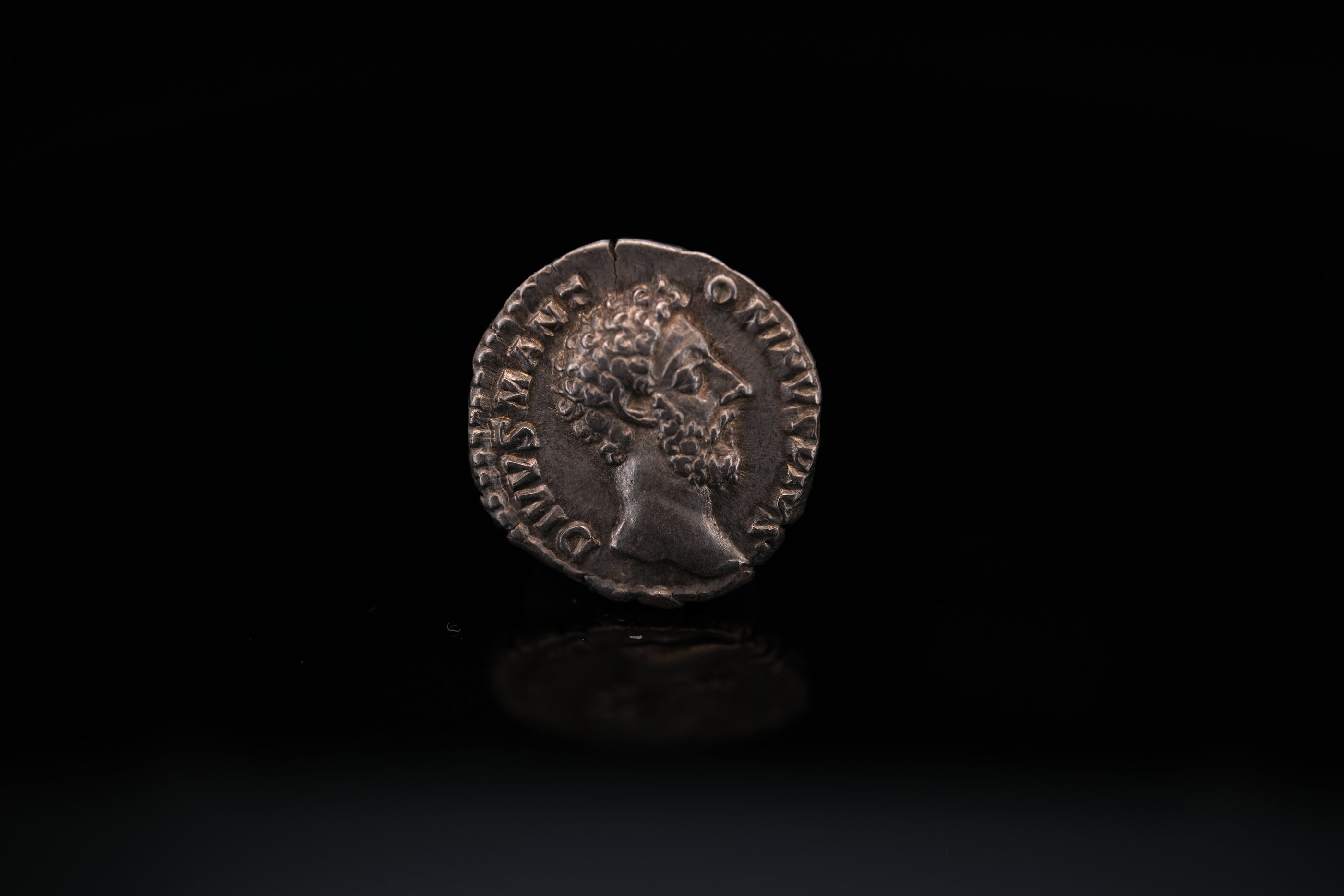
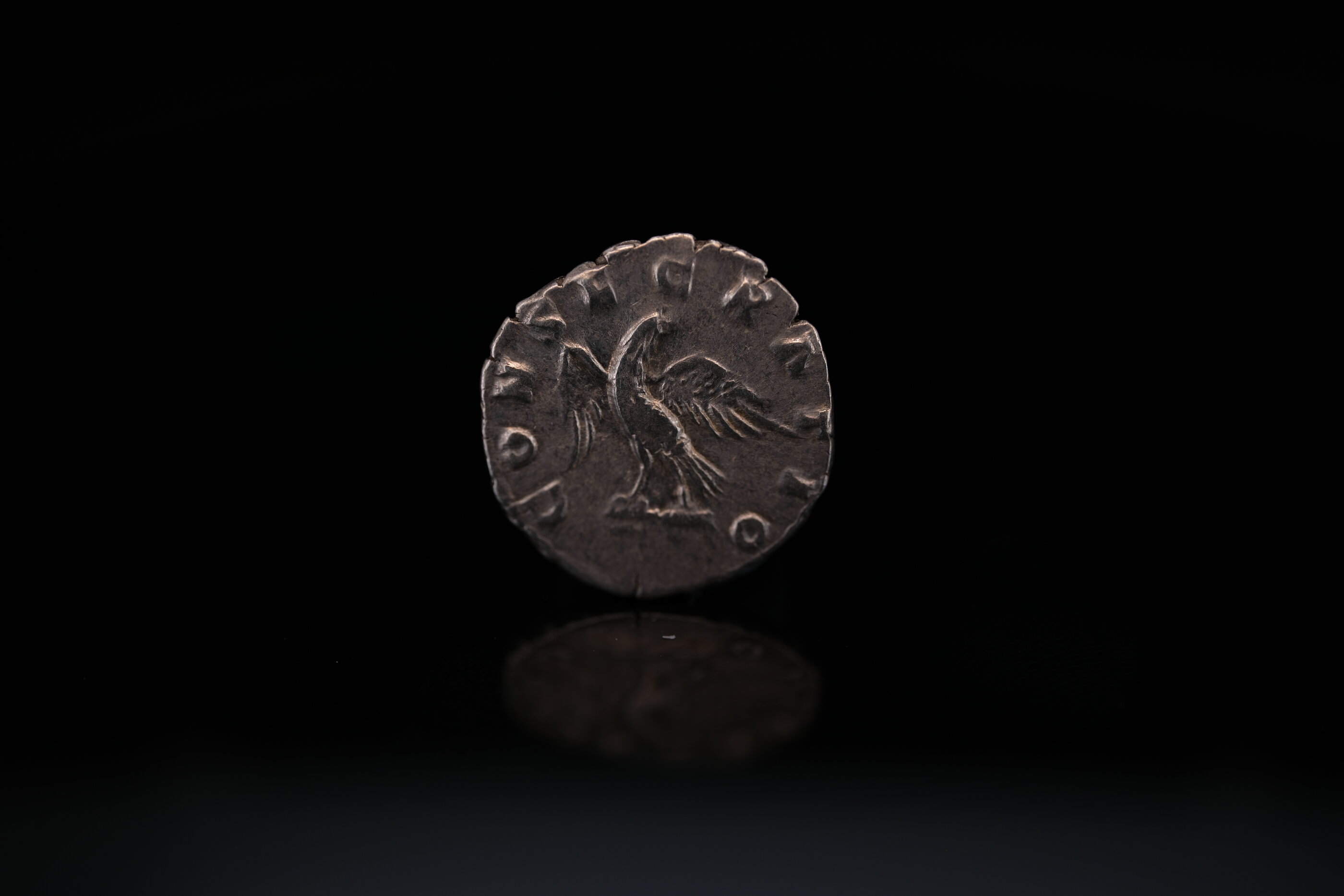
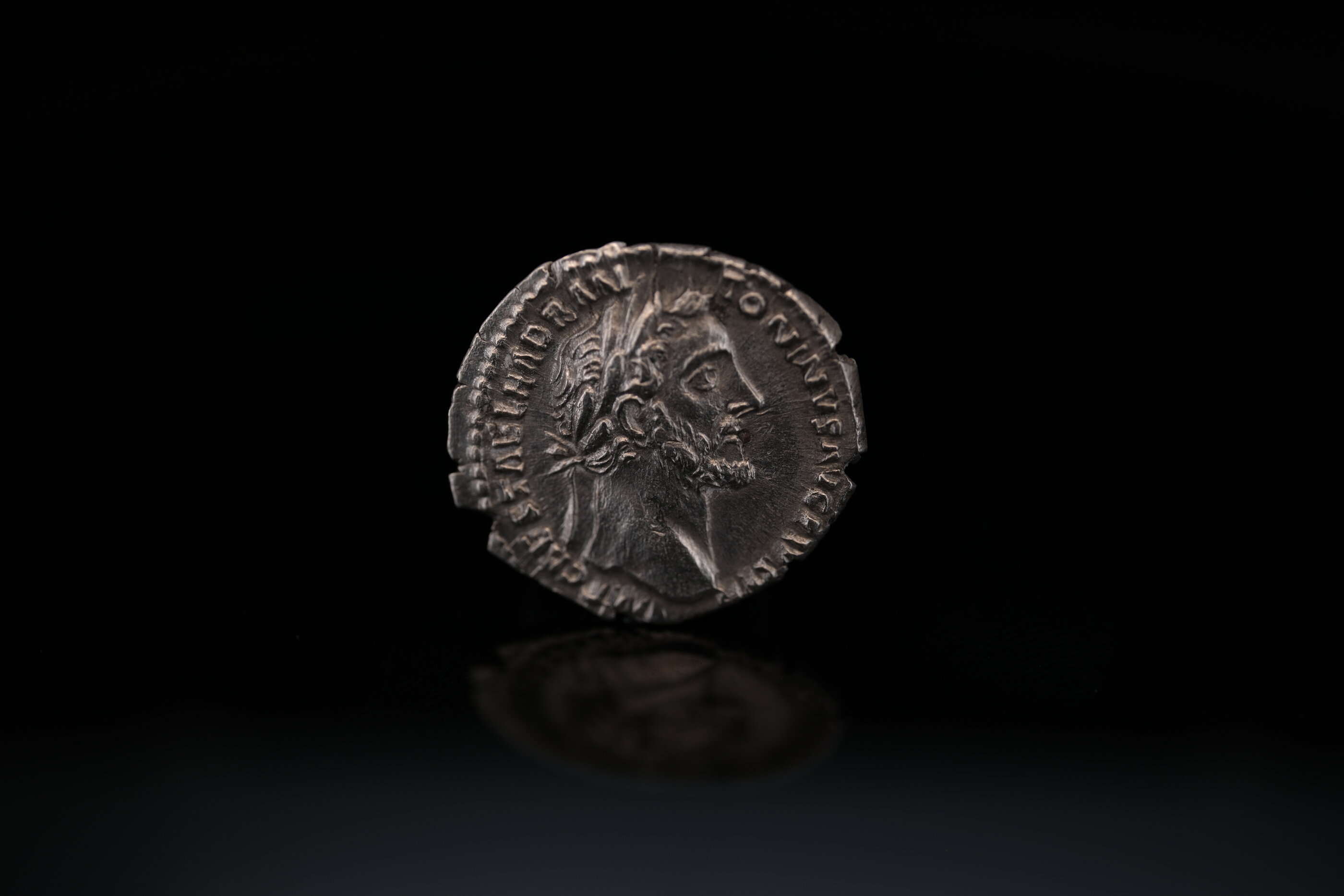
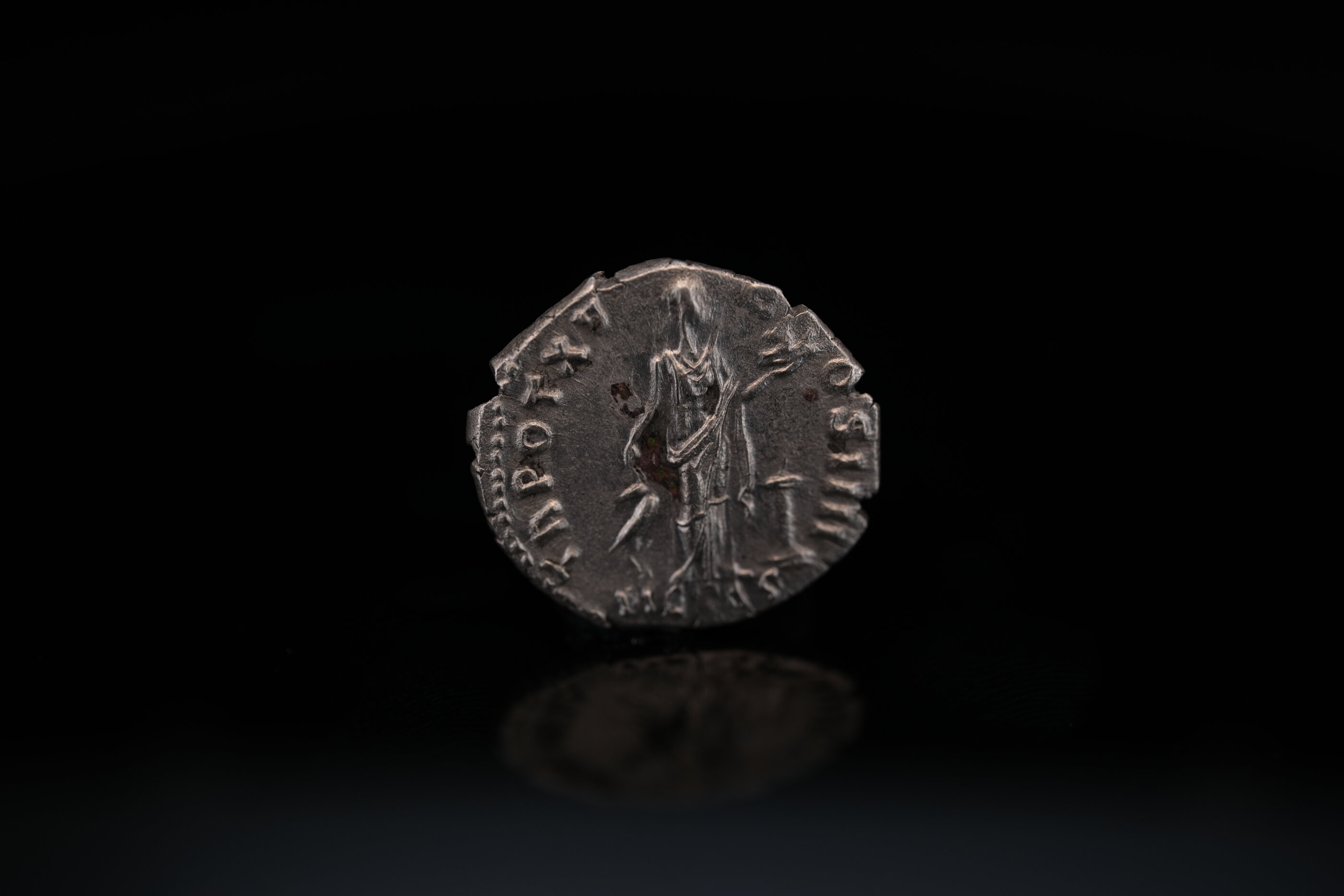
Le denier romain était l’épine dorsale du système monétaire de Rome pendant plus de quatre siècles. Comprendre comment identifier ces pièces ouvre une fenêtre sur l’histoire romaine.
Les Bases
Un denier pèse typiquement environ 3,5-4 grammes et est fait d’argent (bien que le déclin de la pureté ait réduit la teneur au fil du temps). La plupart présentent un portrait à l’avers (face) et une imagerie symbolique au revers.
Caractéristiques Clés d’Identification
1. Le Portrait
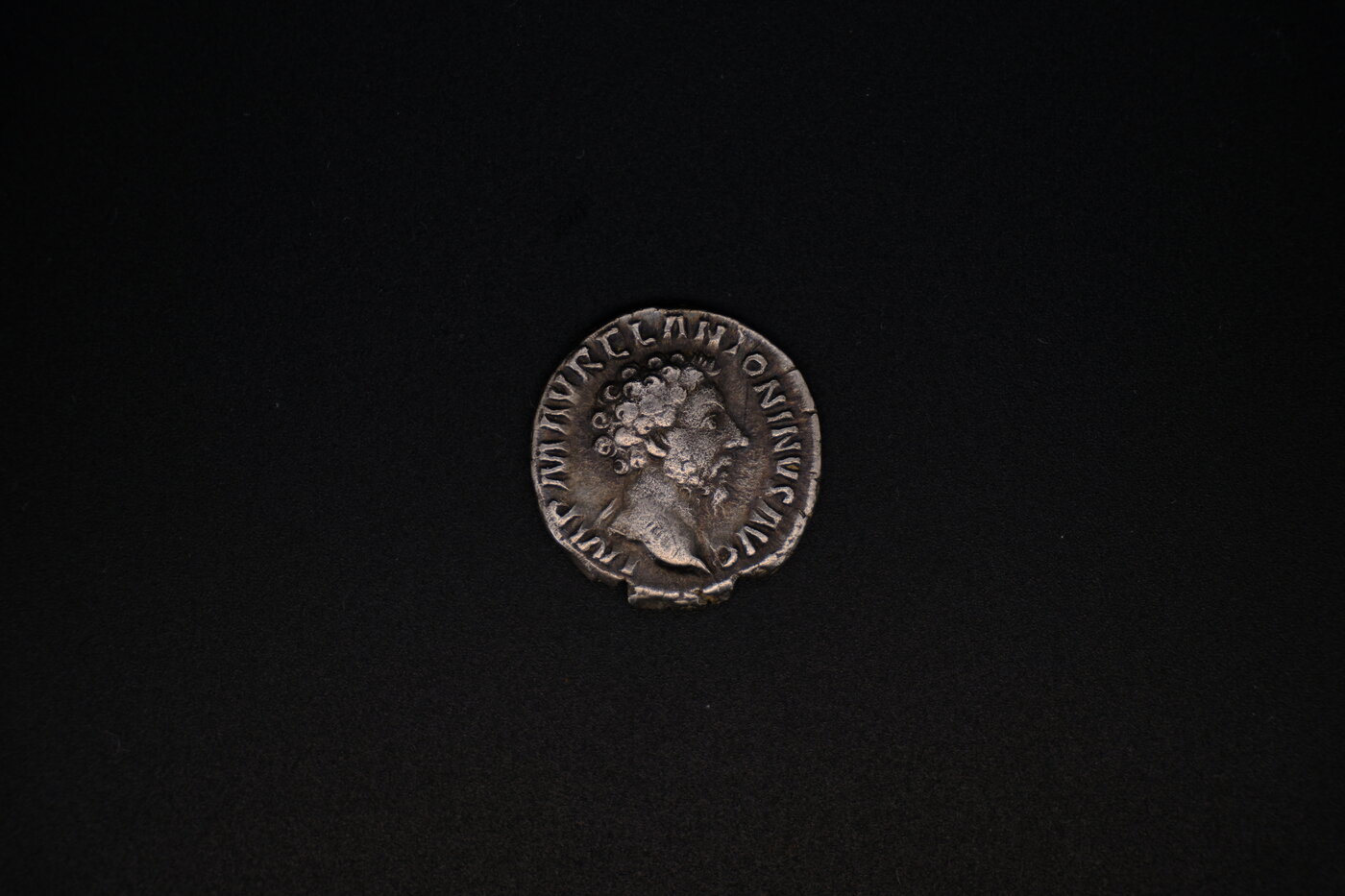
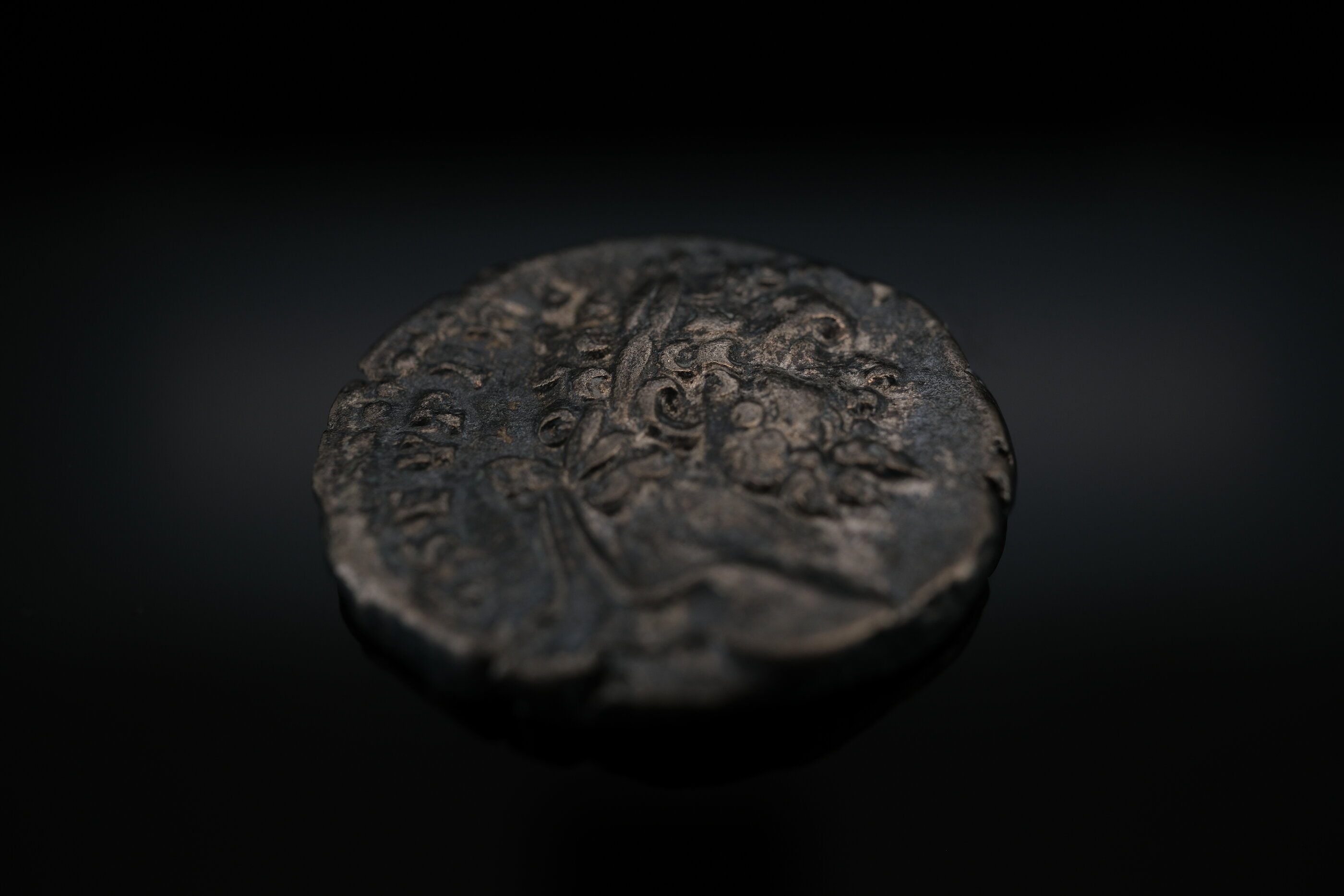
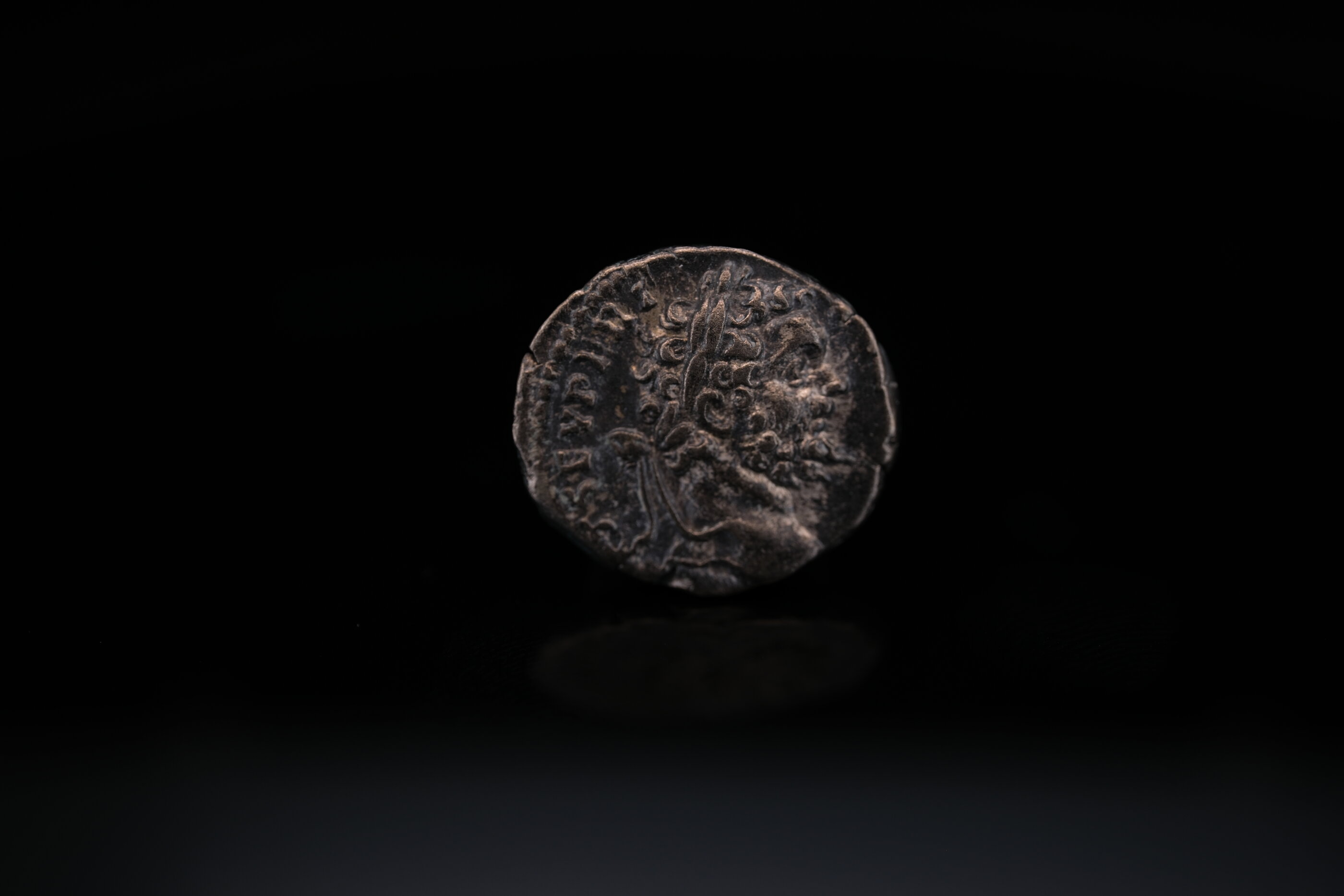
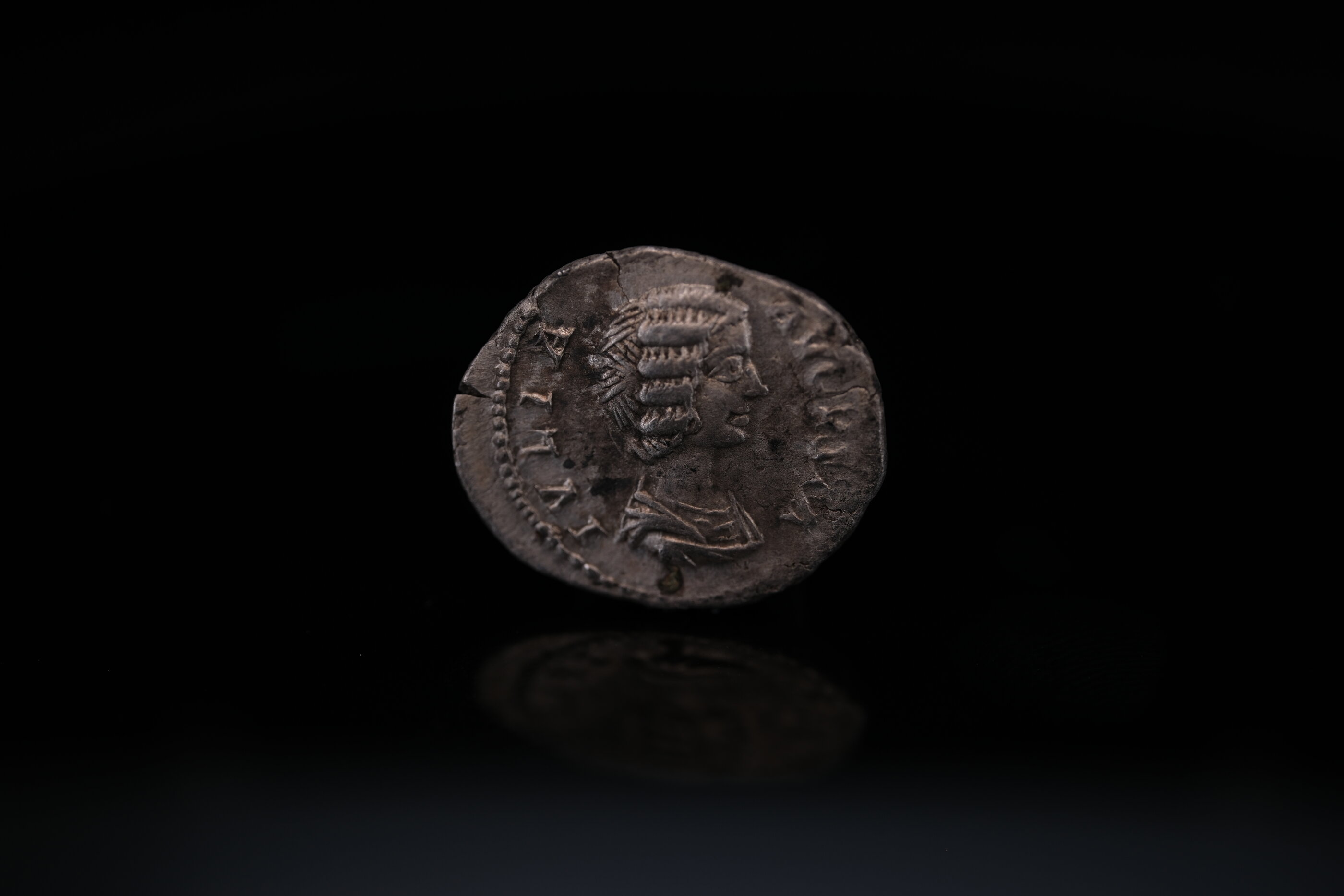
Le portrait à l’avers est votre principal outil de datation. Les deniers impériaux présentent l’empereur régnant, et les styles de portrait ont évolué de manière distincte :
- Empire précoce (27 av. J.-C. - 96 apr. J.-C.) : Portraits réalistes, idéalisés
- Dynastie des Sévères (193-235 apr. J.-C.) : Plus stylisés, avec des coiffures élaborées
- Période de crise (235-284 apr. J.-C.) : Portrait plus grossier, moins détaillé
2. La Légende
L’inscription autour du portrait identifie le souverain. Recherchez :
- IMP (Imperator) - titre de commandant militaire
- CAES (Caesar) - nom de la dynastie, plus tard un titre
- AVG (Augustus) - titre impérial
- COS (Consul) - avec un numéro, aide à dater la pièce
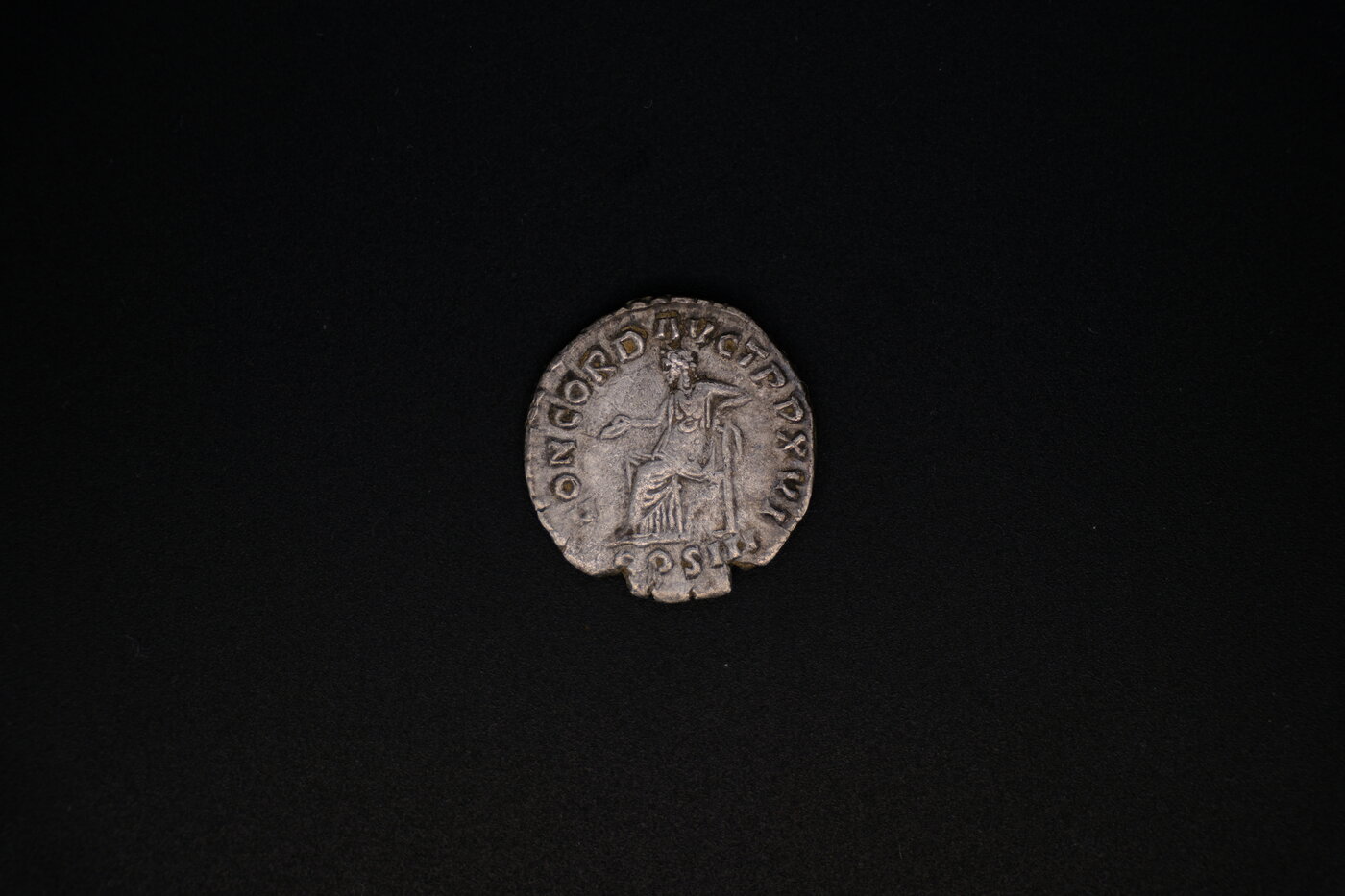
3. Types de Revers
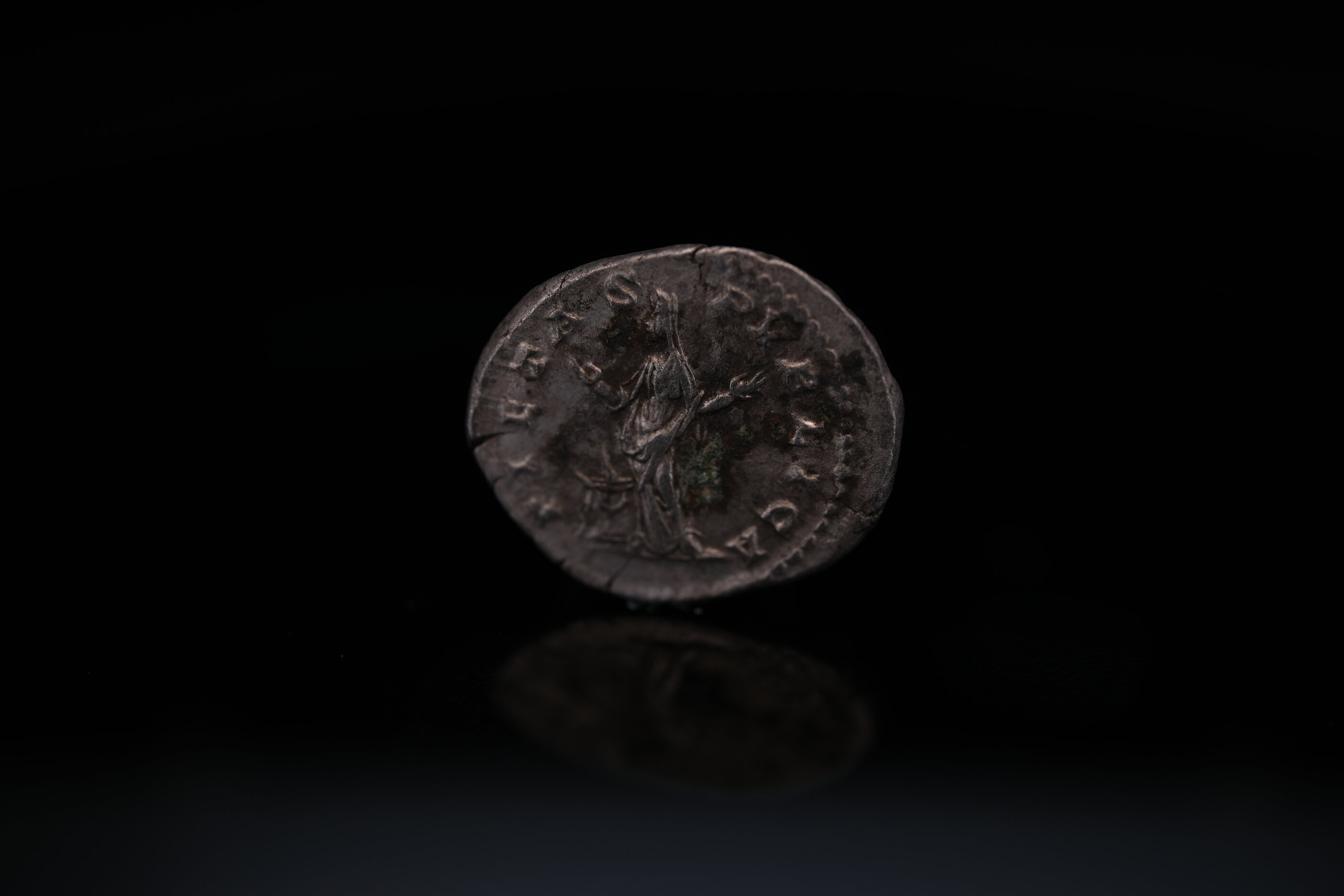
Le revers commémore souvent :
- Victoires militaires (captifs, trophées)
- Vertus (Pax, Concordia, Fides)
- Figures divines (Roma, divers dieux)
- Monuments architecturaux
Pièges Courants
Nettoyage : Ne nettoyez jamais les pièces anciennes. La patine ajoute de la valeur et de l’authenticité.
Contrefaçons : Des faux modernes existent. Apprenez le “toucher” des pièces authentiques et achetez auprès de sources réputées.
Classement de l’état : L’état affecte significativement la valeur. Comprenez l’échelle TB-SUP-PN.
Développer Votre Œil
Manipulez autant de pièces authentiques que possible. Les musées, les salons numismatiques et les concessionnaires réputés offrent des opportunités d’étudier des pièces authentiques. Avec le temps, vous développerez une intuition pour ce qui est juste — et ce qui ne l’est pas.