Marcus Aurelius a régné sur Rome de 161 à 180 apr. J.-C., et ses deniers d’argent racontent l’histoire de son règne en miniature. Mais la monnaie impériale romaine ne s’arrêtait pas à la mort de l’empereur — elle marquait une transformation du souverain mortel en dieu.
L’Empereur Vivant
De son vivant, Marcus Aurelius apparaissait sur les pièces avec la titulature impériale standard : M ANTONINVS AVG (Marcus Antoninus Augustus) ou M AVREL ANTONINVS AVG. Son portrait montre la barbe et les cheveux bouclés distinctifs qu’il cultivait, influencés par la tradition philosophique grecque.
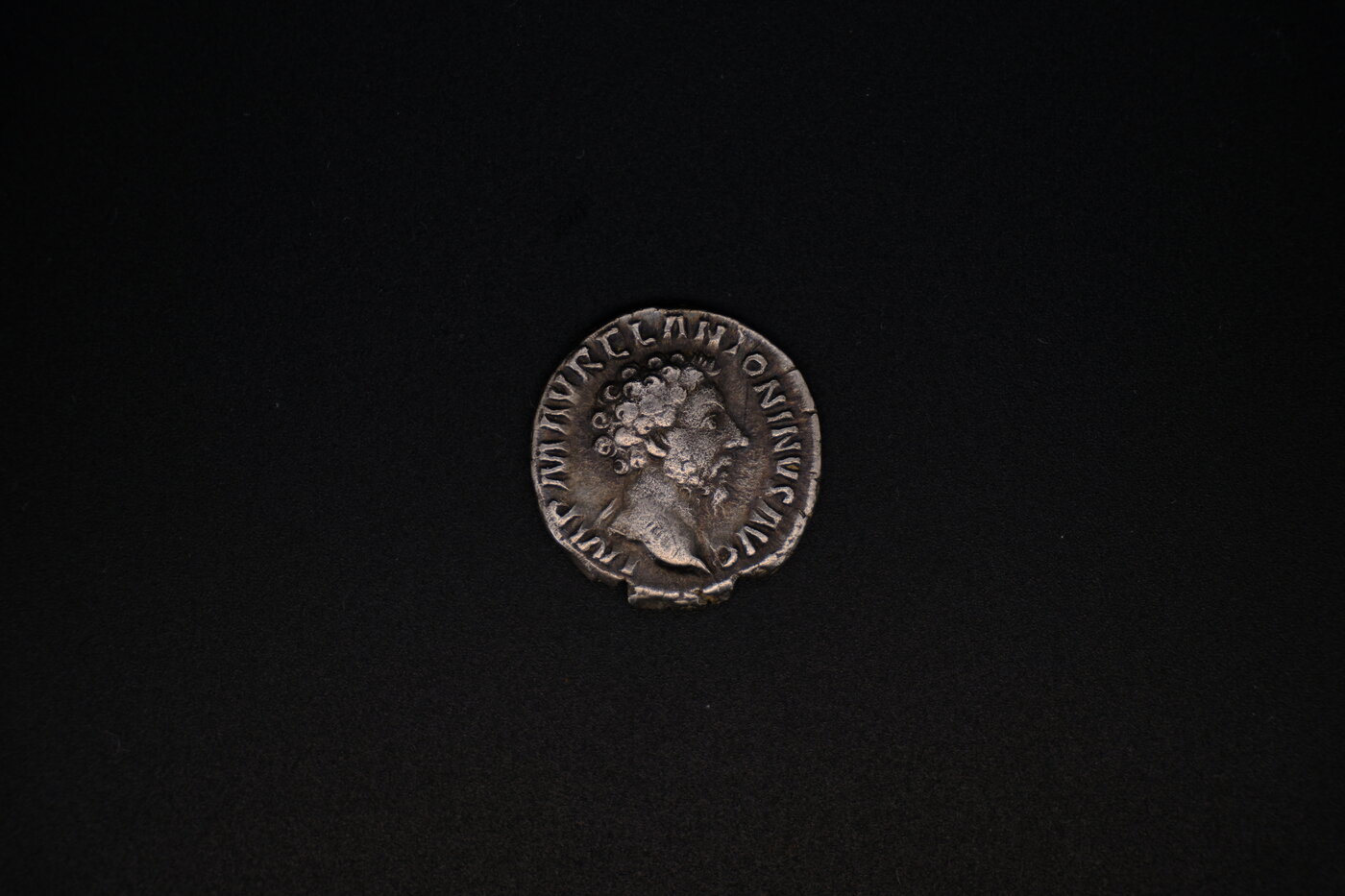
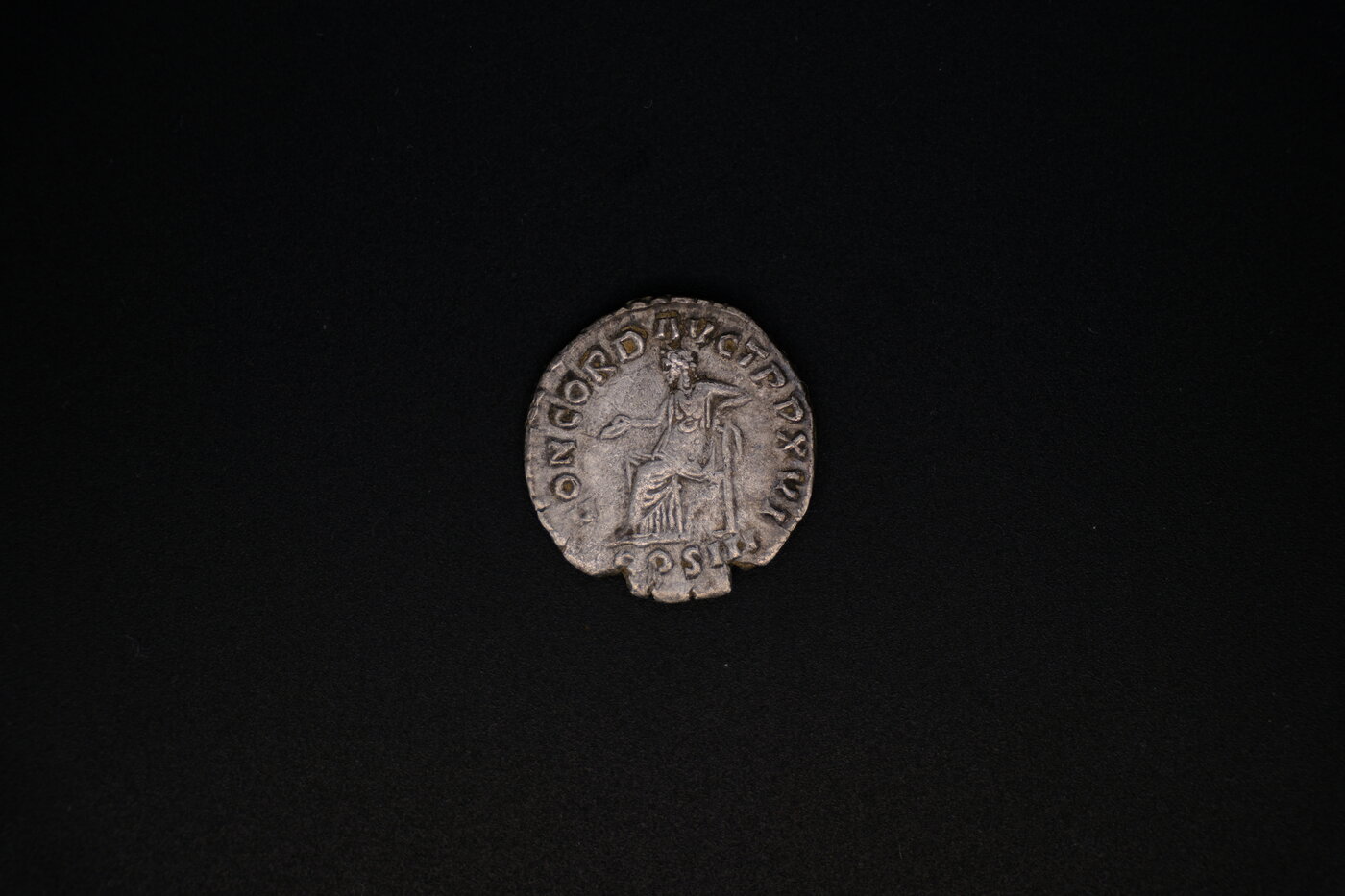
Les types de revers pendant son règne mettaient l’accent sur les vertus romaines traditionnelles : Concordia (harmonie), Providentia (prévoyance) et Annona (approvisionnement en céréales). Ce n’étaient pas de simples décorations — c’était de la propagande, rassurant les citoyens que l’empire était stable et bien gouverné.
La légende TR P XVI COS III sur un exemple nous dit que la pièce a été frappée pendant sa seizième année de détention du pouvoir tribunicien et son troisième consulat, permettant aux érudits de la dater précisément de 162 apr. J.-C.
De l’Homme au Dieu
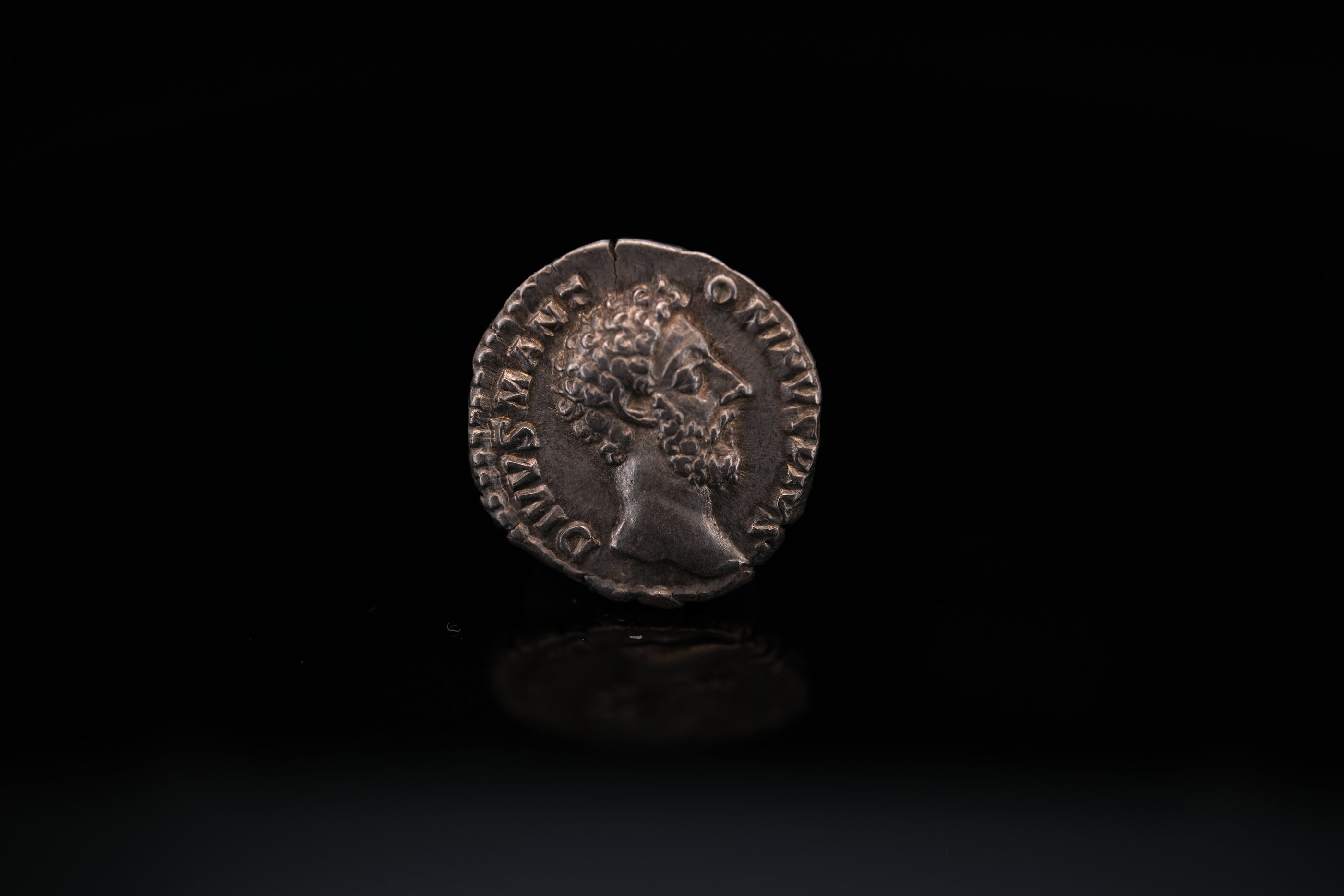
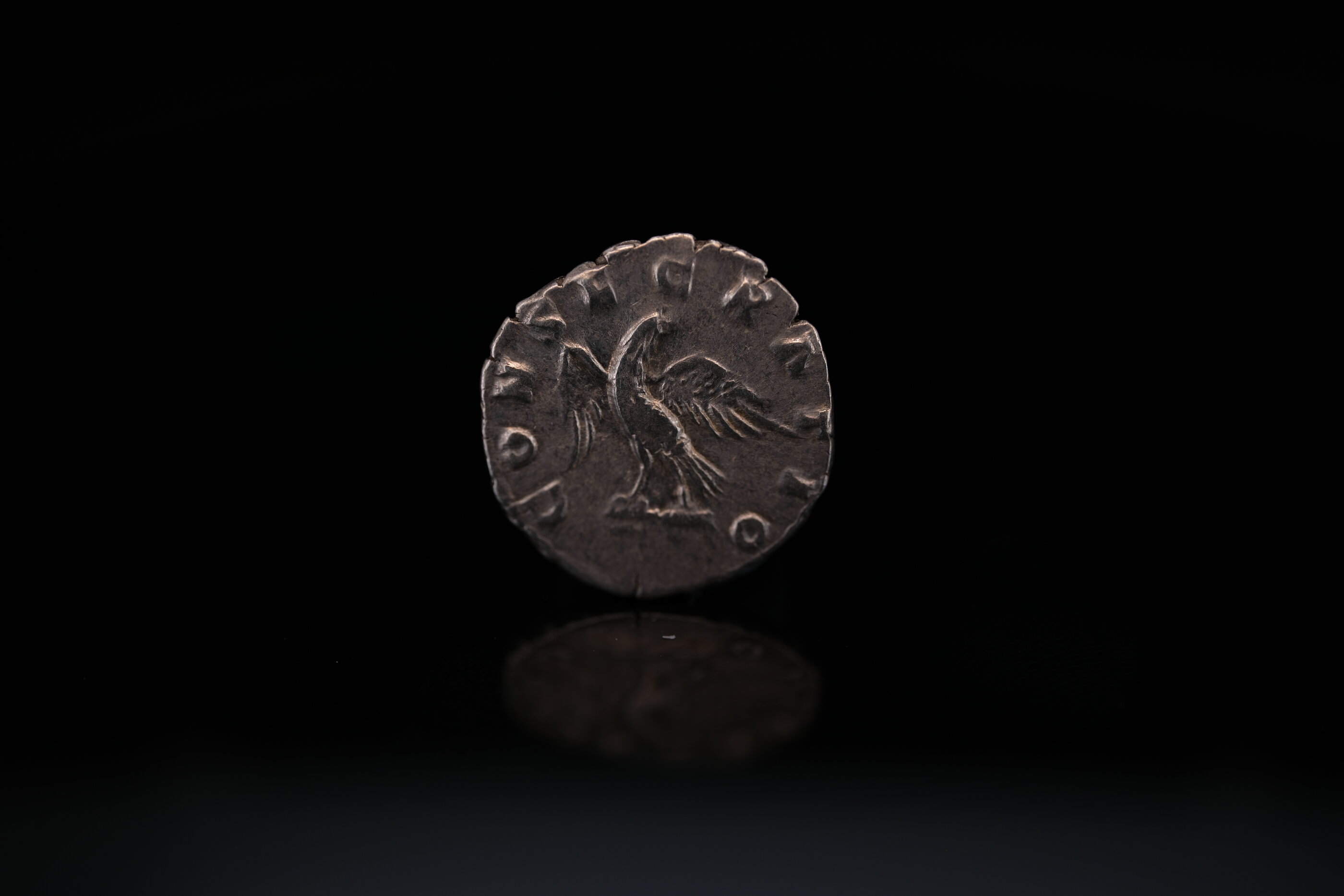
Quand Marcus Aurelius mourut le 17 mars 180 apr. J.-C., le Sénat lui vota des honneurs divins — un processus appelé consecratio. Son fils Commode émit alors des pièces commémoratives déclarant son père dieu.
Les changements sont significatifs :
DIVVS M ANTONINVS PIVS — Le titre “Divus” (divin) remplace le titre d’empereur vivant “Imperator”. Le cognomen “Pius” a été ajouté posthument, honorant son caractère pieux.
Tête nue — Les empereurs vivants portaient la couronne de laurier de la victoire. Les empereurs divinisés apparaissent tête nue, désormais au-delà des honneurs terrestres.
CONSECRATIO — Cette légende de revers annonce explicitement la cérémonie de divinisation. L’aigle montré était censé porter l’âme de l’empereur au ciel — les sources romaines décrivent la libération d’un aigle depuis le bûcher funéraire.
Lire l’Histoire dans les Pièces
Ces deux pièces, frappées peut-être à quelques mois d’intervalle, capturent une transition profonde. La première montre un empereur régnant préoccupé par la gouvernance terrestre — harmonie, approvisionnement en céréales, succès militaire. La seconde le transforme en dieu ancêtre, regardant désormais Rome du sein des divins.
Pour Marc Aurèle, le stoïcien philosophe qui écrivait dans ses Pensées à propos de la brièveté de la gloire et de l’égalité de tous dans la mort, il y a une certaine ironie dans cet honneur posthume si élaboré. Mais les pièces survivent, petits témoins métalliques de comment Rome créait du sens à partir du pouvoir, de la mort et de la mémoire.