Bien avant les signatures, les mots de passe ou la blockchain, les Mésopotamiens ont résolu le problème de l’authentification avec une élégante simplicité : le sceau cylindrée.
Forme et Fonction
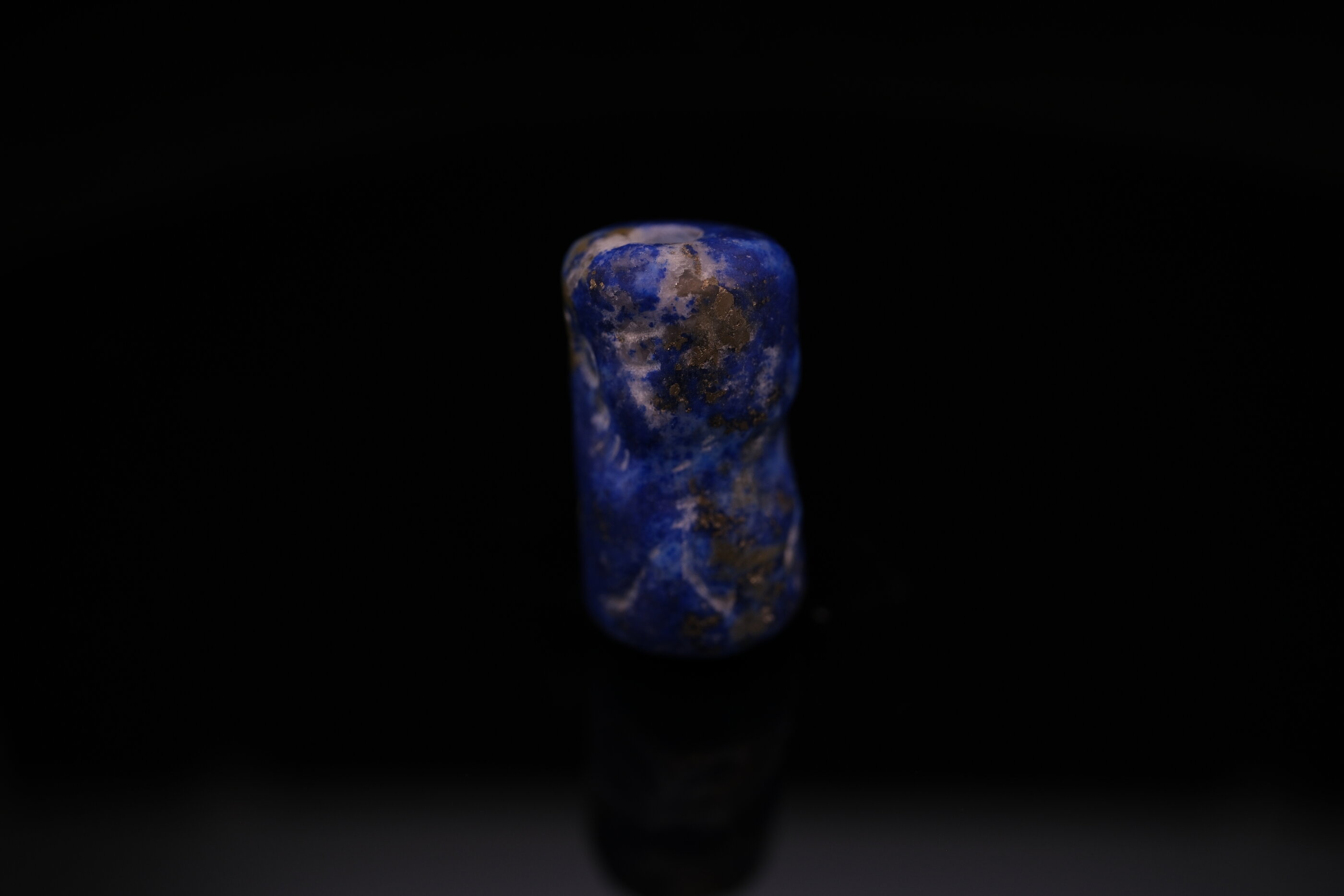
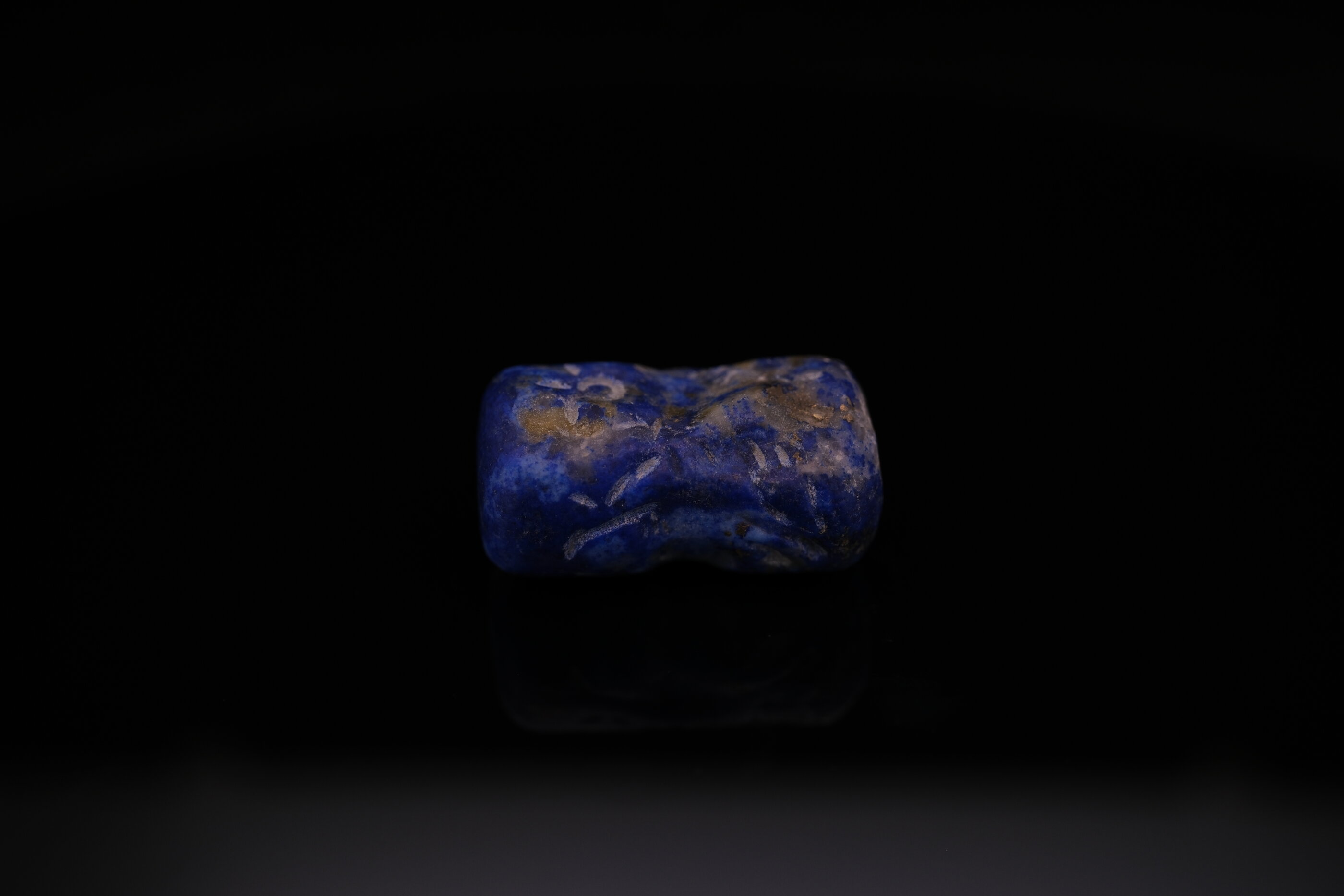
Les sceaux cylindrées sont de petits cylindres en pierre, typiquement de 2 à 6 cm de haut, gravés de motifs complexes en creux (intaille). Lorsqu’on les roule sur de l’argile humide, ils produisent une frise continue — une signature unique et infalsifiable.
Pourquoi des Cylindres ?
La forme cylindrique résolvait un problème que les cachets plats ne pouvaient pas : couvrir de grandes surfaces. Un document, un bouchon de jarre ou une serrure de porte pouvait être scellé avec une impression continue, rendant toute altération immédiatement visible.
Lire l’Imagerie
Thèmes Courants
- Scènes de combat : Héros luttant avec des animaux
- Scènes de présentation : Adorateurs devant des divinités
- Scènes de chasse : Imagerie royale de domination sur la nature
- Récits mythologiques : Histoires en miniature
Évolution du Style
- Période d’Uruk (4000-3100 av. J.-C.) : Motifs géométriques, répétitifs
- Dynastique Archaïque (2900-2350 av. J.-C.) : Scènes denses de combat et de banquet
- Akkadienne (2350-2150 av. J.-C.) : Scènes mythologiques magistrales
- Néo-Assyrienne (911-609 av. J.-C.) : Scènes de chasse royale et rituelles
Matériaux et Artisanat
Les matériaux courants incluent :
- Hématite (minerai de fer magnétique)
- Lapis-lazuli (prestigieux, importé d’Afghanistan)
- Serpentine et stéatite (plus faciles à sculpter)
- Calcédoine et agate (périodes ultérieures)
La compétence requise pour sculpter ces scènes en miniature — en creux, qui plus est — témoigne d’un artisanat remarquable.
Considérations de Collection
La provenance compte : Le marché des antiquités a des complexités éthiques. Un historique de collection documenté ajoute à la fois légitimité et valeur.
Étudiez les empreintes : La valeur d’un sceau réside dans son imagerie. Apprenez à lire les scènes.
L’état varie : Les éclats et l’usure sont normaux pour des objets vieux de milliers d’années. Les scènes complètes sont premium.
Ces petits objets portaient un poids personnel et juridique immense à leur époque. Aujourd’hui, ils restent des fenêtres sur la façon dont les anciens pensaient l’identité, la propriété et l’art.